Stamped & Decorative Concrete in Charlotte Metro
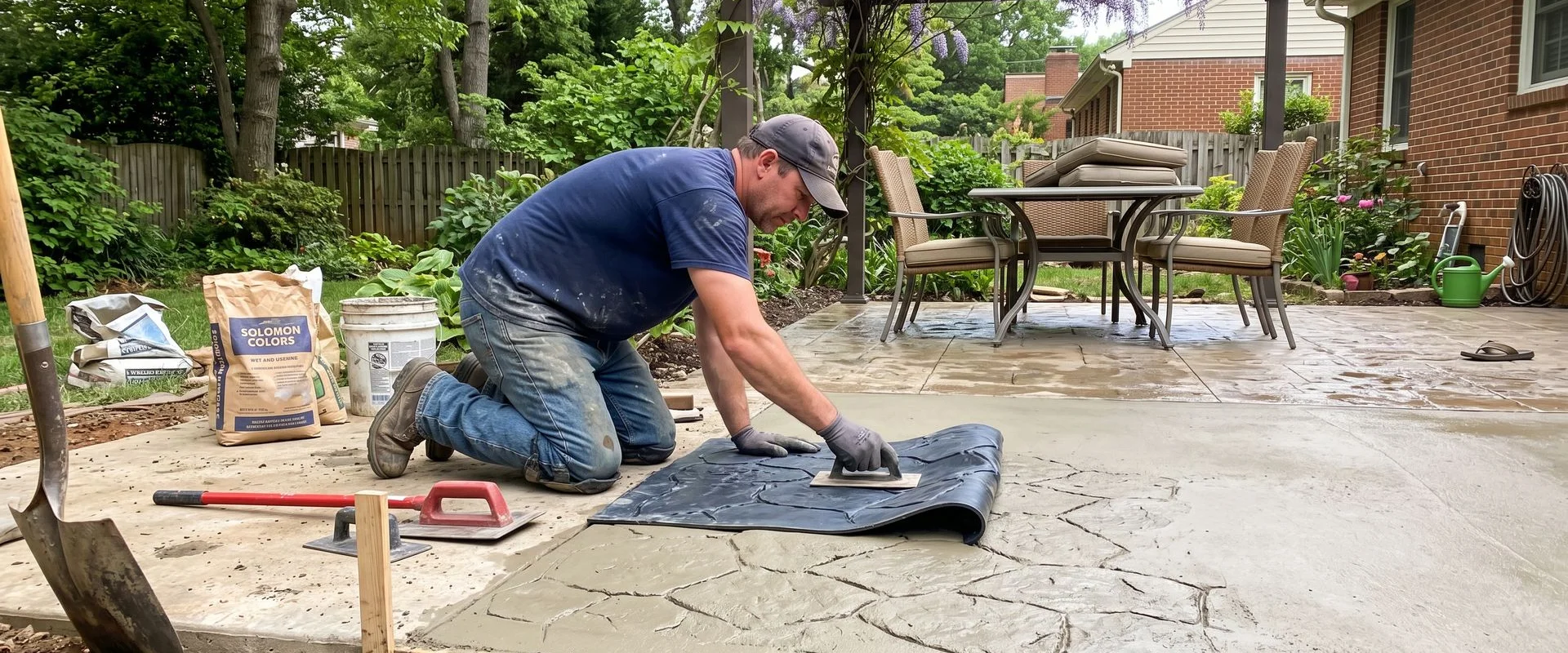
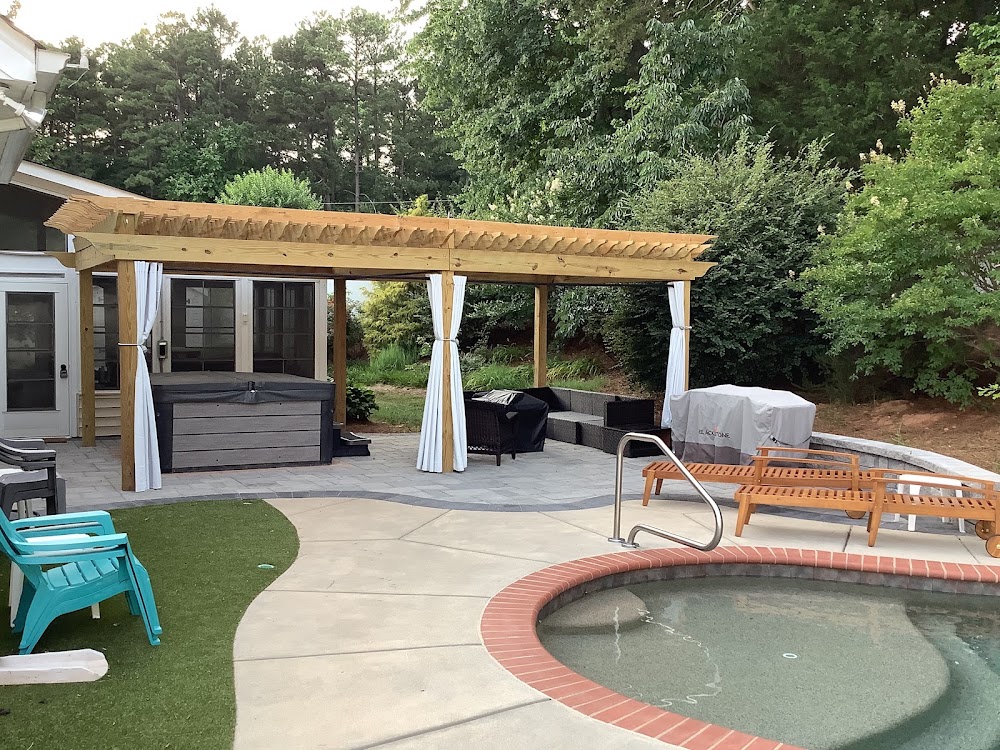
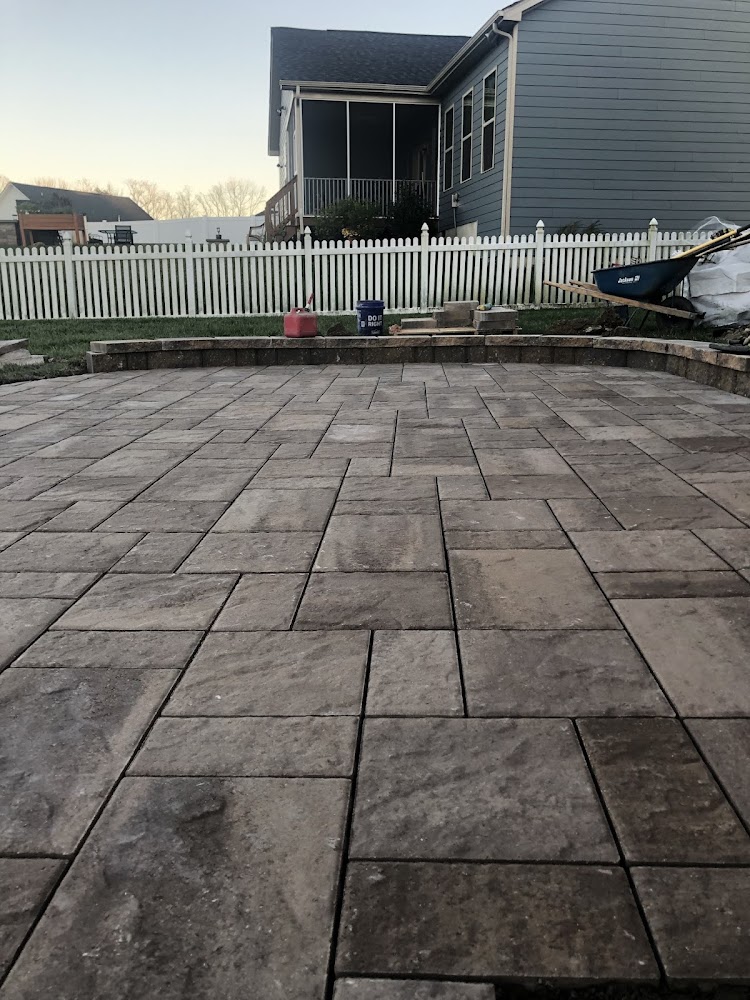
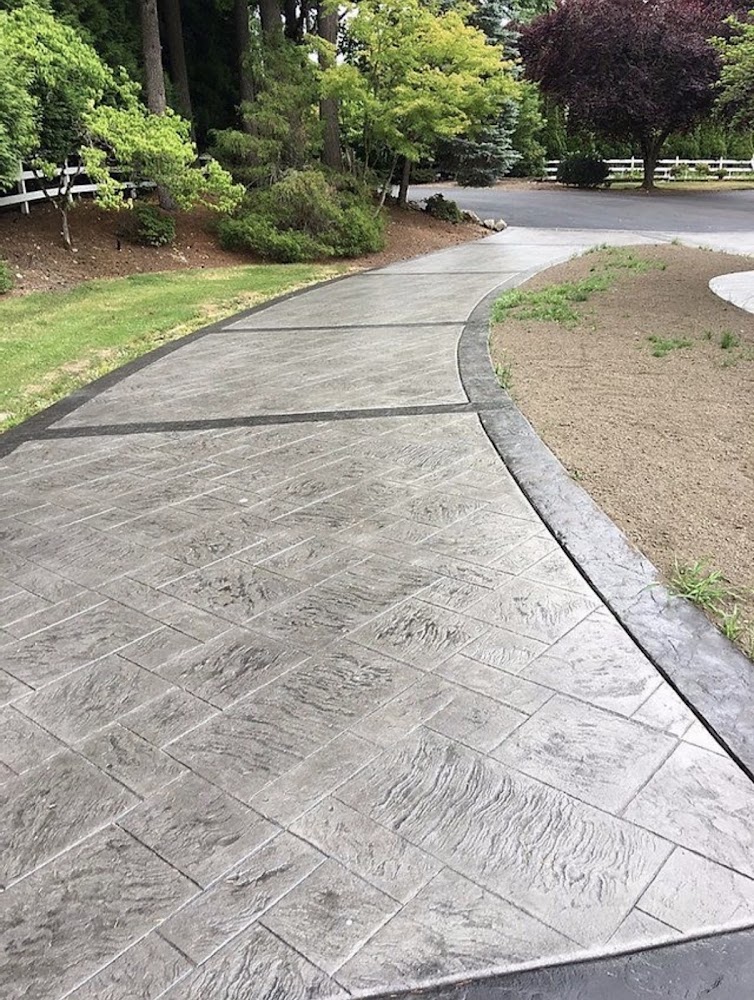
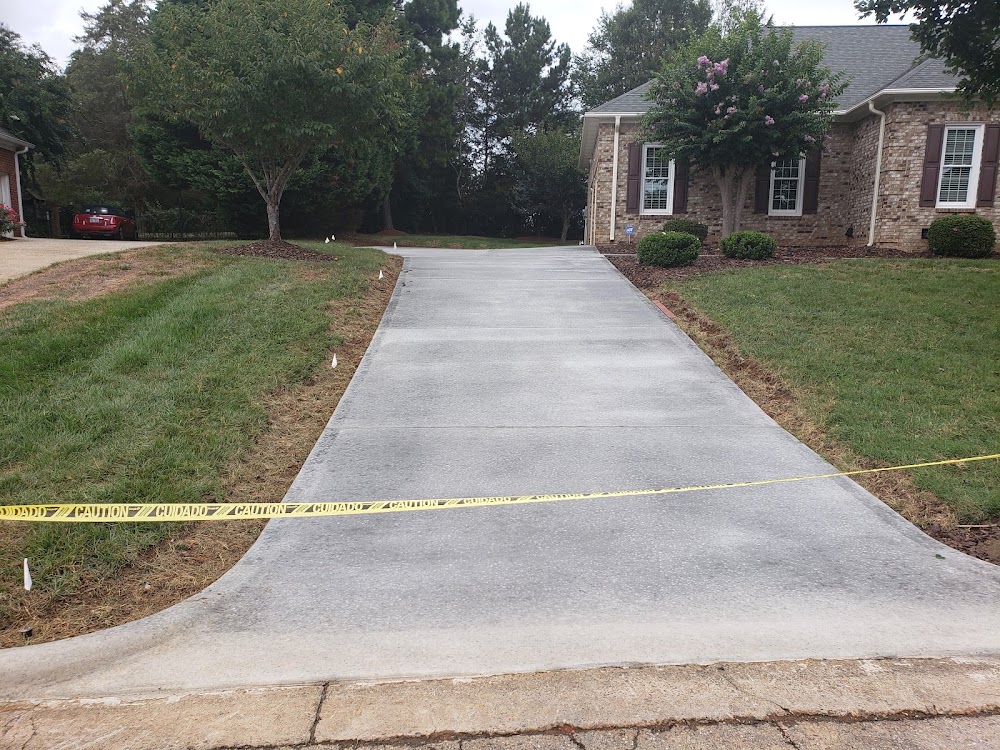
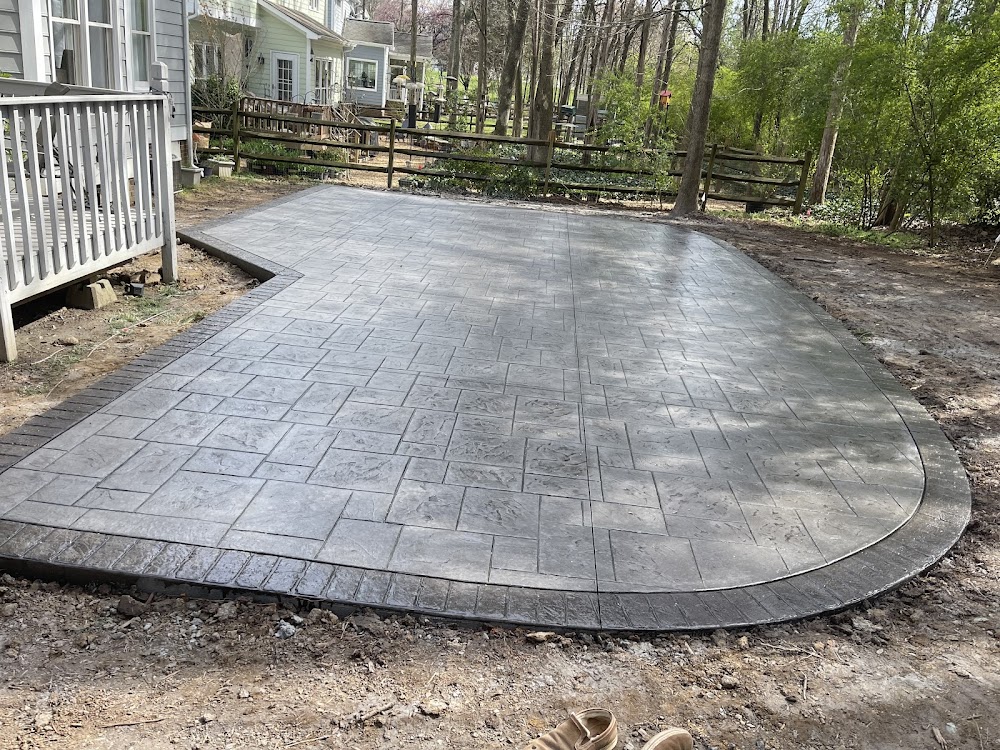
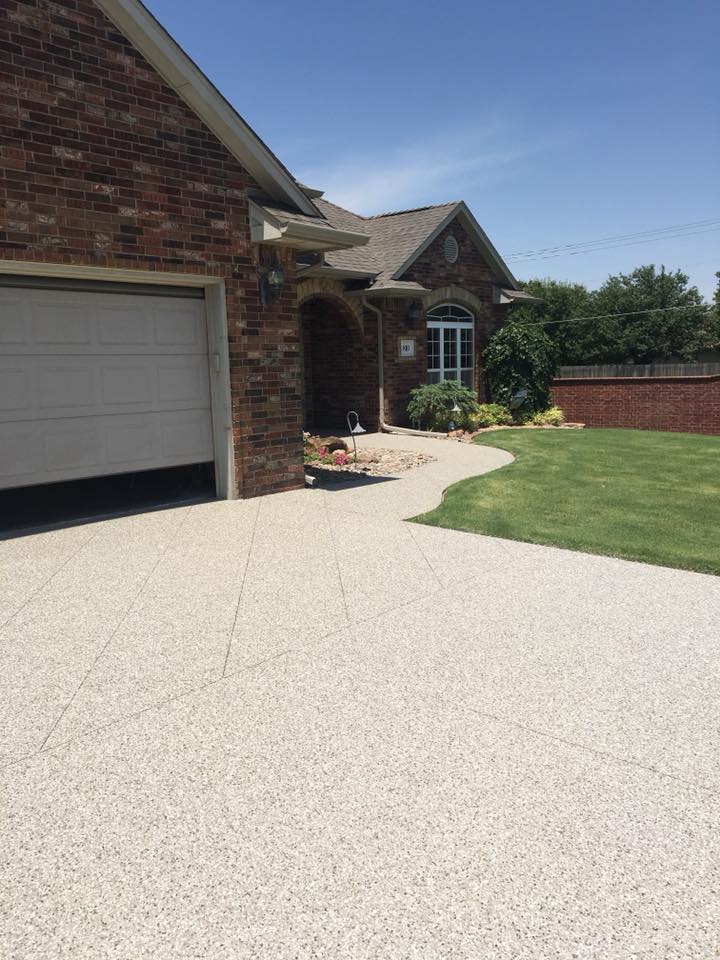
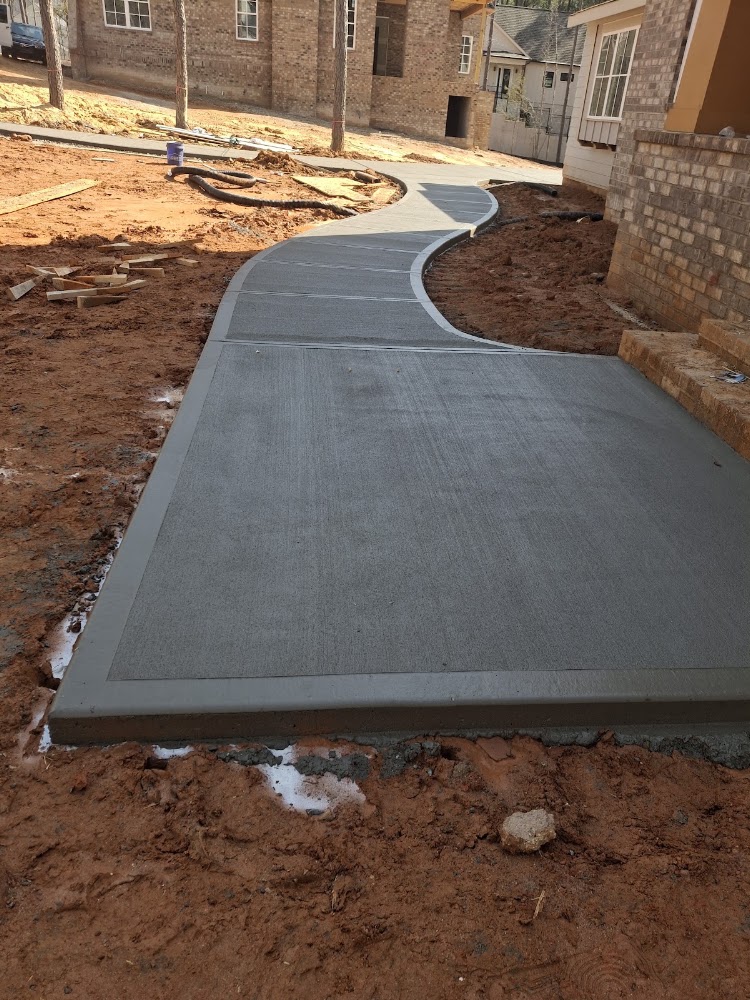
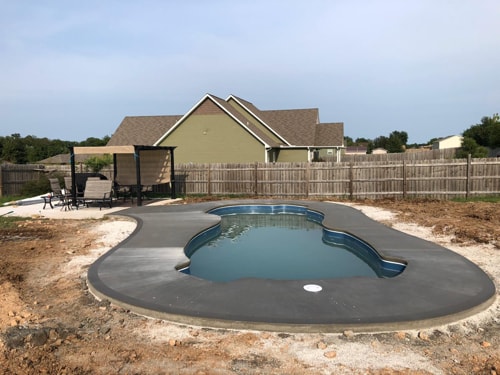
Stamped and decorative concrete covers patios, pool decks, driveways, and walkways finished to look like brick, slate, flagstone, or cobblestone, usually with integral color, a release agent for texture, and a sealer to lock it all in. It costs more than plain broom-finish concrete but a lot less than natural stone or pavers, and in a market like Charlotte, where clay soil shifts with heavy rain and summer heat, it's a common upgrade for backyard living spaces and front entries alike.
We currently track 2 businesses in this category. That's a small enough list that it pays to look closely at each one rather than pick on price alone. Decorative concrete lives or dies on details most homeowners never think to ask about: how the crew handles control joints so cracking follows a pattern instead of showing up randomly, whether they seal the surface within the right window to protect color and texture, and how they manage pours during Charlotte's humid summers when concrete sets faster than expected. Ask to see finished jobs that are a few years old, not just fresh ones, since that's the only real way to judge how a stamp pattern and sealer hold up under weather and foot traffic.
Our scores weigh licensing, experience with decorative work specifically (not just standard flatwork), customer feedback, and responsiveness, so you can compare the two contractors here without digging through everything yourself. For the full ranked breakdown, see our best concrete contractors in Charlotte guide. To understand exactly how we score and rank contractors, check our methodology.
Get quotes from suitable stamped & decorative concrete
No cost, no obligation. Describe your concrete work and we'll connect you with vetted contractors in your area.
All stamped & decorative concrete, ranked by score and relevance
23 businesses. The order weighs each business's overall score by how much of its reviewed work is stamped & decorative concrete, so a lower-scored specialist can rank above a higher-scored generalist. Filter and sort below, or open the full map view.
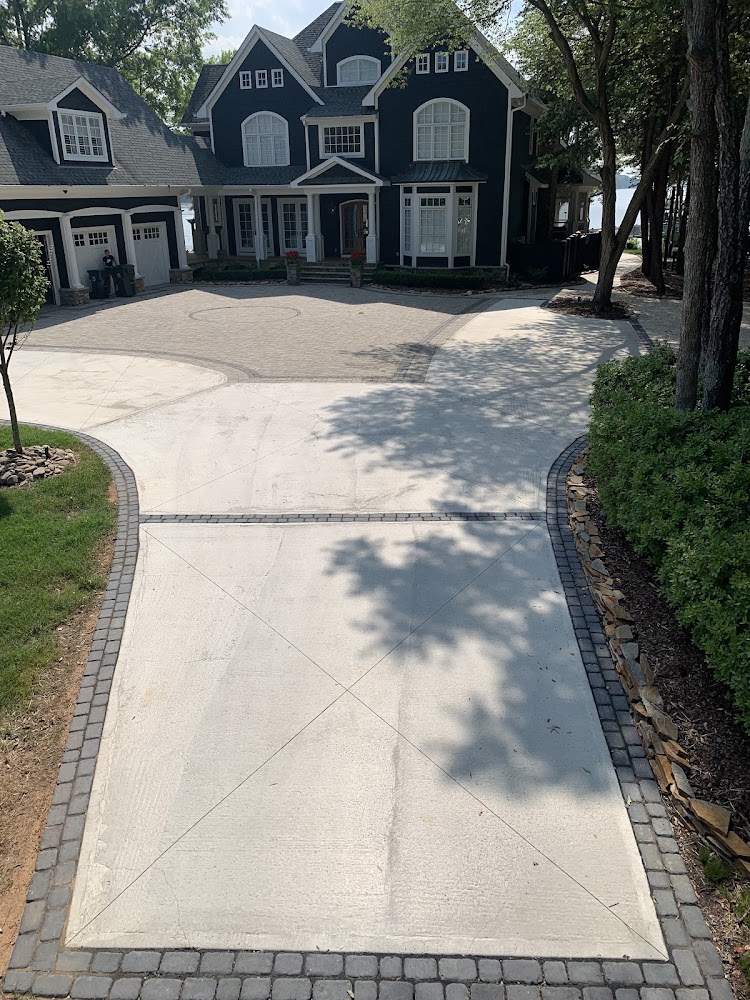
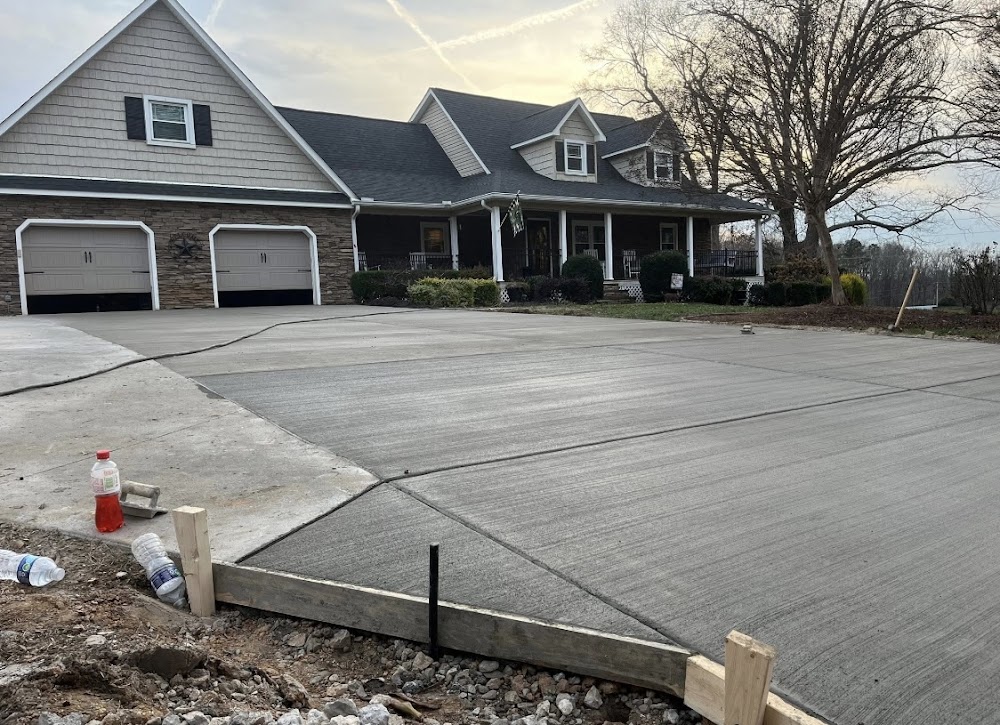
Your enquiry may be shared with one or more partner providers to complete the work, and we may receive a referral fee. Our rankings and scores are based solely on our published method and are not affected by referral fees.
Common questions about stamped & decorative concrete
- How much does stamped concrete cost in Charlotte?
- Stamped concrete typically runs somewhere between plain concrete and pavers on a cost basis, with price driven by pattern complexity, number of colors, and site prep. Simple single-color patterns cost less than multi-color jobs with hand-applied antiquing or borders. Get quotes from at least two contractors since labor skill varies more in decorative work than in standard flatwork.
- How long does stamped concrete last before it needs resealing?
- Sealer generally needs reapplication every 2 to 3 years, sooner on driveways or pool decks that see heavy sun and traffic. The concrete slab itself can last decades if it was poured with proper control joints and adequate thickness, but skipping resealing lets color fade and lets water get under the surface, which speeds up cracking and pitting.
- What should I expect during a stamped concrete installation?
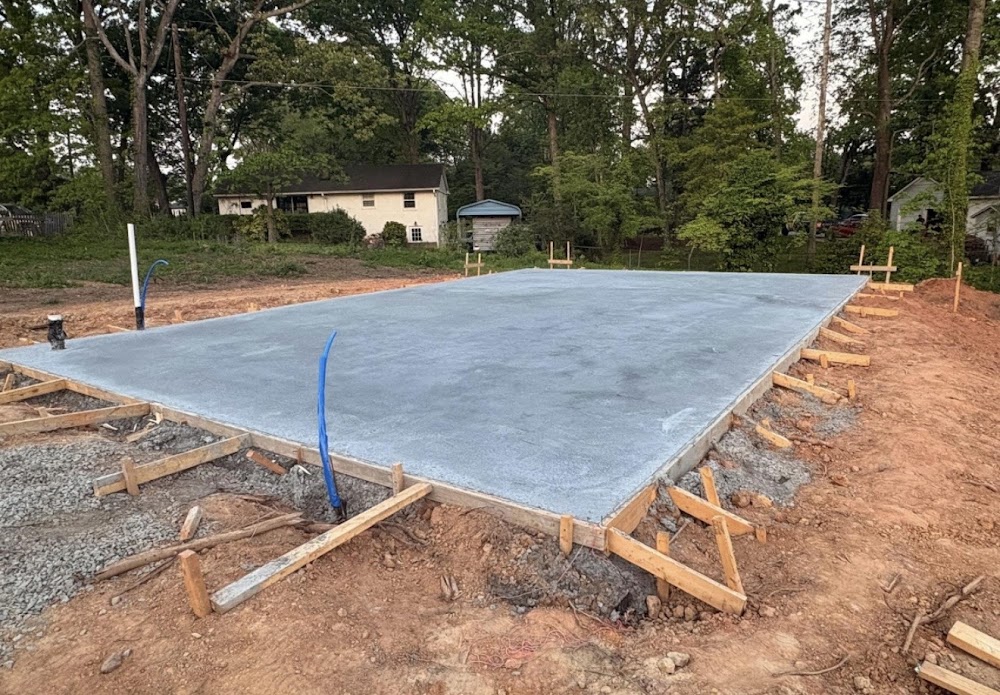
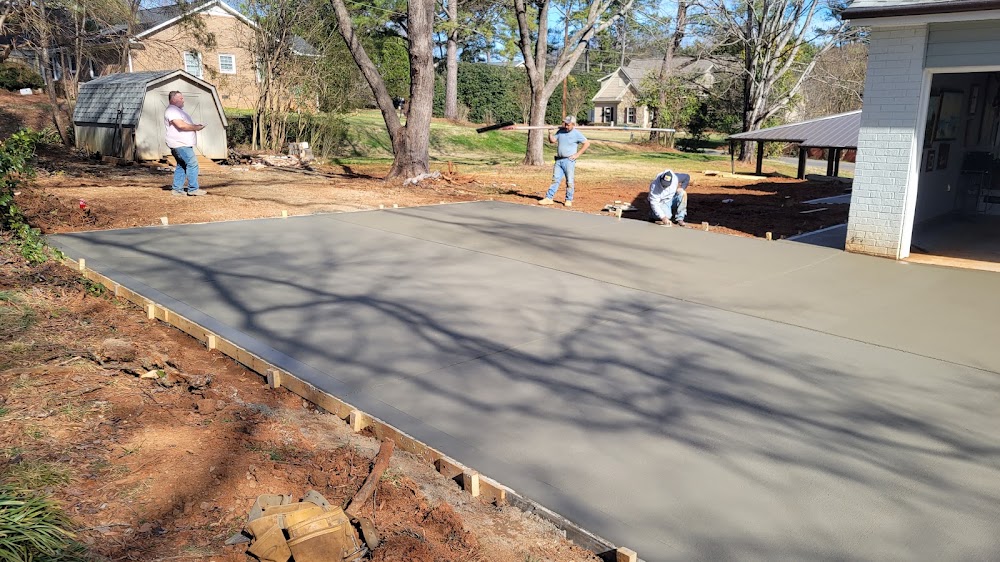
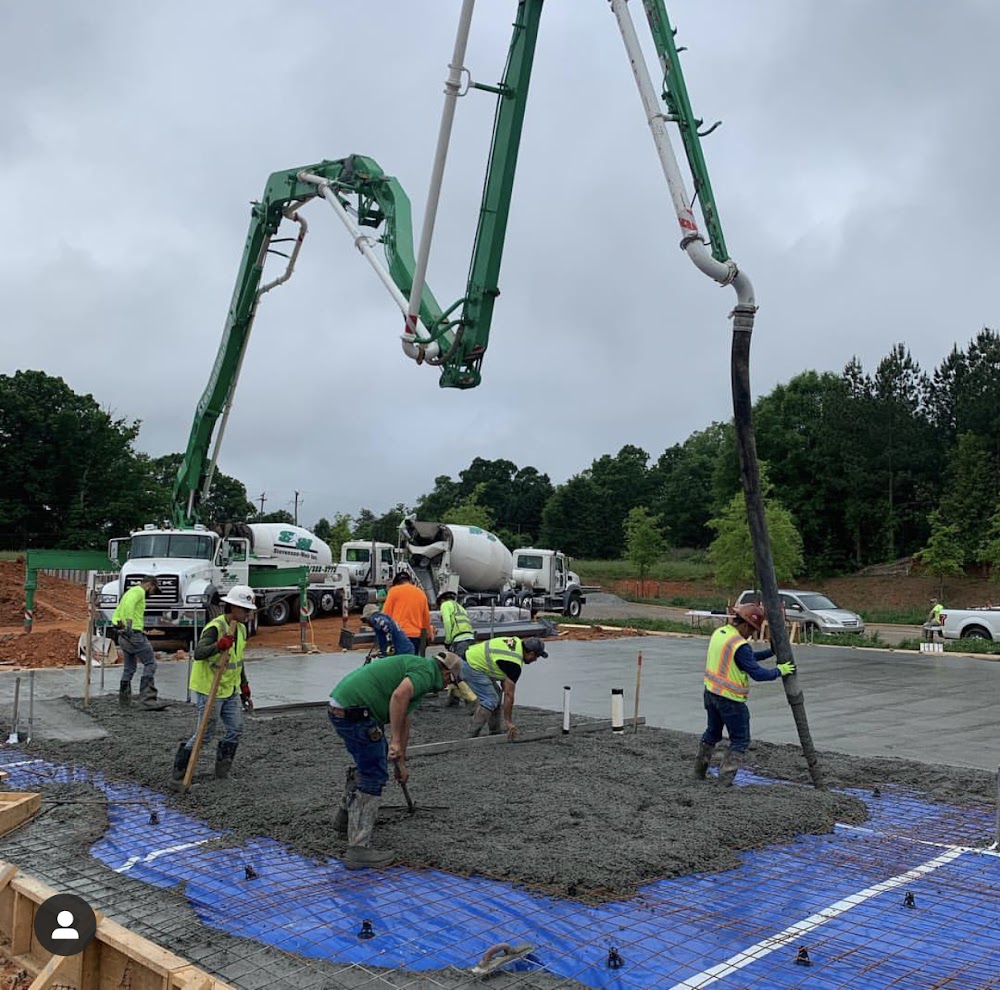
- Expect site excavation and forming, a gravel base, the pour itself, then stamping while the concrete is still plastic (usually within an hour or two of the pour), followed by cutting control joints and sealing once it's cured enough. Weather matters a lot here: crews may reschedule around rain or extreme heat since both affect how the concrete sets and takes the stamp pattern.
- How do I judge the quality of a decorative concrete job?
- Look at joint spacing and whether it lines up with the stamp pattern, check for consistent color without blotching, and run a hand over the surface to feel for a uniform texture. Ask to see a project that's at least 2 to 3 years old so you can see how it held up, since fresh work always looks good regardless of how it was installed.
Guides to choosing stamped & decorative concrete
- Stamped and decorative concrete cost: what you pay for pattern, color and sealing
Why stamped and decorative concrete costs more than plain concrete, what drives the price within that category, and how to budget for upkeep.