Concrete vs asphalt paving: which is right for your driveway or parking lot
By Rod Burnett · Updated 2026-07-01
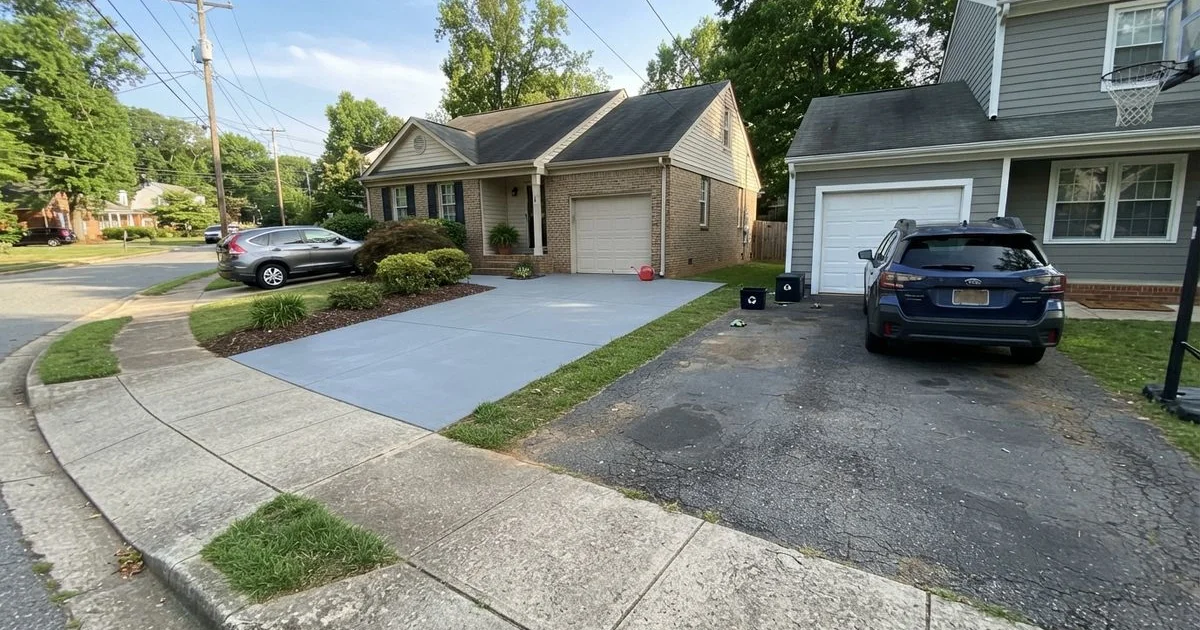
Concrete and asphalt solve the same basic problem, a durable surface to drive and park on, in different ways. The right choice depends less on which material is objectively “better” and more on your budget, timeline, and how the surface will actually be used.
The core trade-off
Asphalt costs less to install and gets you a usable surface faster, since it does not need weeks of curing before heavy use. Concrete costs more up front but generally lasts longer and needs less ongoing maintenance. Over a 20-plus year horizon, the total cost gap narrows because asphalt’s lower price tag comes with more frequent sealing and patching along the way.
| Factor | Concrete | Asphalt |
|---|---|---|
| Upfront cost | Higher | Lower |
| Typical lifespan | 25 to 30-plus years | 15 to 20 years |
| Ready for use | 5 to 7 days for light traffic | Within 1 to 2 days |
| Ongoing maintenance | Occasional sealing, crack repair | Resealing every few years, more frequent patching |
| Look and finish options | Broom, stamped, stained, exposed aggregate | Limited to smooth or textured black surface |
| Repair visibility | Patches can be color-matched but still visible | Patches blend in more easily |
Where each one tends to win
Concrete tends to be the better fit when you want a specific look (stamped or stained finishes are concrete-only), when the driveway sees heavy or stationary loads like an RV parked in one spot for long periods, or when you plan to stay in the home long enough that the lower maintenance pays off. Asphalt tends to win when the budget is tighter, when you need the surface usable again quickly, or for large-scale commercial paving where the lower material and labor cost per square foot matters more at scale. If you land on concrete, the driveway pour guide walks through the installation timeline, from site prep to the day you can park on it.
Climate considerations for this region
Charlotte Metro sees occasional freeze-thaw cycles in winter, along with hot, humid summers. Asphalt’s flexibility can absorb some minor ground movement without cracking as visibly as concrete, but a concrete slab with a properly compacted base and correctly placed control joints handles this climate without issue. The bigger factor for both materials is base preparation, not the surface material itself. A poorly prepared base will cause problems in either concrete or asphalt.
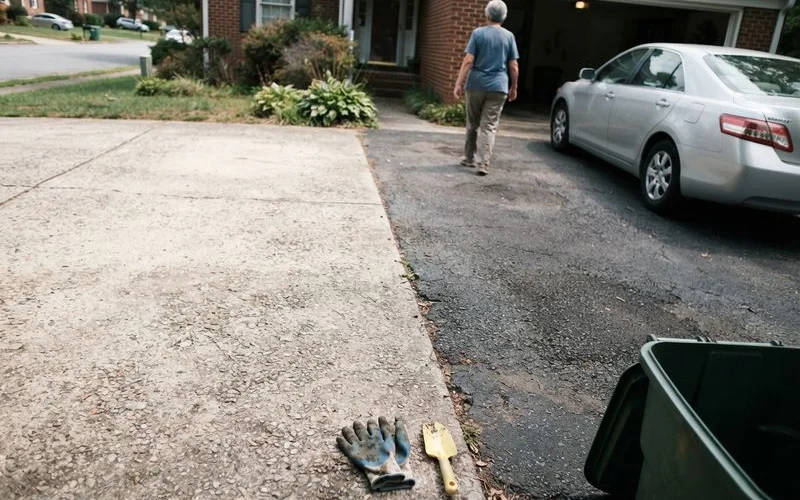
Commercial parking lots specifically
For a business owner comparing the two at a larger scale, asphalt’s lower cost per square foot usually wins out for standard parking areas with typical passenger vehicle traffic. Concrete becomes more attractive for specific zones within a commercial site, loading docks, dumpster pads, and drive-through lanes, where sustained heavy loads or turning trucks can rut asphalt over time. Some commercial jobs mix both, asphalt for the general lot and concrete for the high-stress zones.
Getting quotes for the right material
If you already know which material you want, say so clearly when requesting quotes rather than asking for a general “driveway quote,” since concrete and asphalt are often handled by different specialists even though some companies do both. Our directory of paving contractors lists local crews that handle asphalt and paving work, sentiment-scored on workmanship and reliability.
Resale and appearance considerations
Concrete’s range of finish options, plain, stamped, exposed aggregate, stained, gives it an edge for homeowners who care about how the driveway looks alongside the rest of the property. Asphalt offers a uniform, dark surface with far fewer style choices, which is less of a factor for a commercial lot but can matter more for a home’s overall curb appeal.
A middle option: chip seal and other surface treatments
Some homeowners and property managers extend an aging asphalt surface’s life with a chip seal or slurry seal treatment rather than a full repave, which costs less than either a full asphalt overlay or a switch to concrete. This is worth asking about if the existing asphalt is structurally sound but showing surface wear, since it can push a repaving decision out several more years.
Making the final call
If you are still unsure, ask a contractor to walk you through the total cost over a 20-year horizon for both options, including expected maintenance, rather than just comparing the two installation quotes side by side. Browse our directory homepage to compare paving and concrete specialists, and see our ranking methodology for how we build those scores.
FAQ
- Which lasts longer, concrete or asphalt?
- Concrete typically lasts longer overall, often 25 to 30-plus years with reasonable care, compared to roughly 15 to 20 years for asphalt. Asphalt tends to need resealing and patching more often to hit even that lifespan.
- Which is cheaper up front, concrete or asphalt?
- Asphalt is usually less expensive to install initially. Concrete costs more up front but needs less ongoing maintenance, so the total cost over the life of the surface is often closer than the initial quotes suggest.
- Does one handle temperature swings better than the other?
- Asphalt has more flex, which can help it handle minor ground movement and freeze-thaw cycles without cracking as visibly. Concrete is more rigid and can crack if the base beneath it was not properly prepared, though a well-built concrete base handles the local climate fine.
- Which is better for a large commercial parking lot?
- It depends on budget and traffic. Asphalt is common for large lots because of lower upfront cost and faster installation, while concrete is often preferred for areas with heavy or stationary loads, like loading docks and dumpster pads, because it resists rutting better under sustained weight.