
Fixing your driveway or patio before you sell your house
By Rod Burnett · Updated 2026-07-11
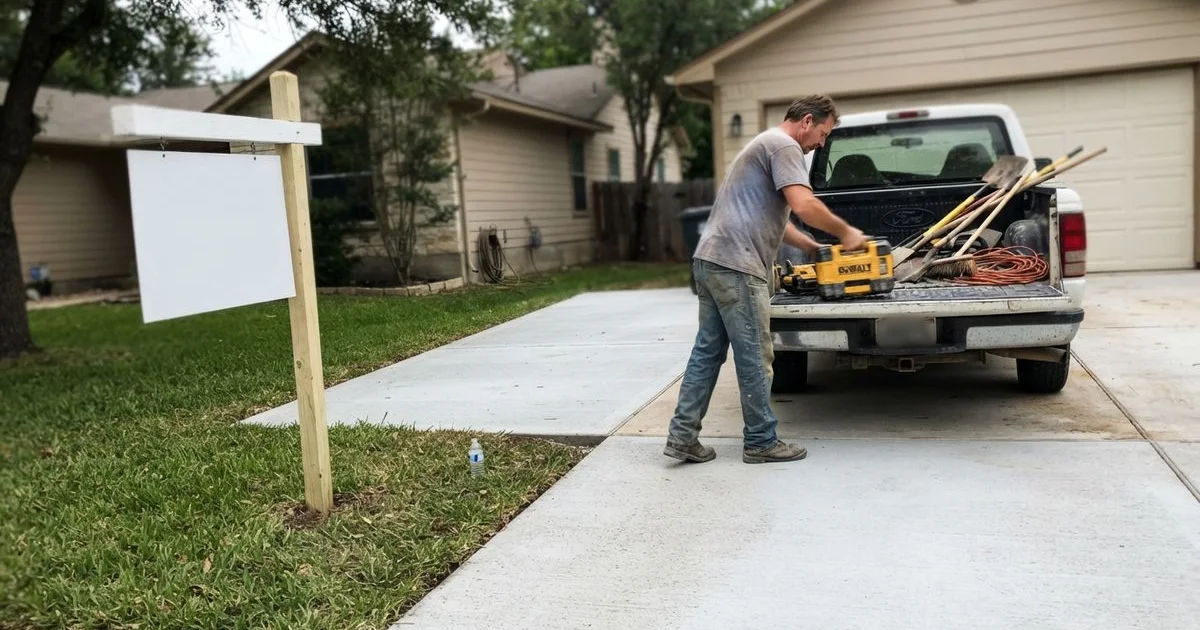
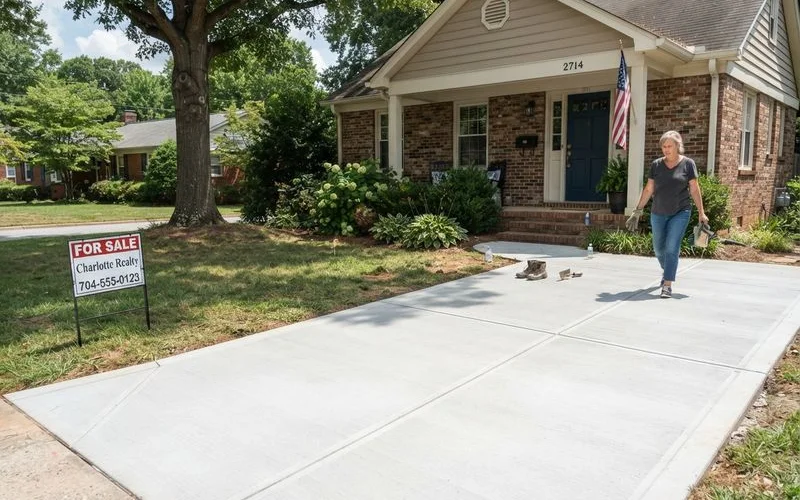
Curb appeal sells houses, and a cracked or stained driveway is one of the first things a buyer sees before they even walk through the front door. Here is how to think about driveway and patio repairs when you are working against a listing date rather than fixing things for your own long-term use.
What actually affects a buyer’s first impression
Visible cracking, staining, uneven or sunken sections, and an obviously patched surface all register with buyers before they know anything else about the house. These issues do not need to be structurally serious to affect perception, since most buyers cannot tell the difference between cosmetic wear and a real problem just by looking. That gap between perception and reality is exactly why a relatively modest repair can have an outsized effect on how the whole property presents.
Repair versus full replacement before a sale
Full replacement is rarely worth it purely for resale purposes unless the existing driveway or patio is severely damaged (extensive cracking, major sinking, or a base failure visible in multiple spots). In most cases, a clean repair or resurfacing addresses the visible issue for meaningfully less money and still improves the first impression. Save full replacement for cases where a home inspector would flag it as a real defect, since that is a cost a buyer is more likely to negotiate hard on anyway. For typical price ranges on each option, see our guide on concrete repair, resurfacing and leveling cost.
| Situation | Recommended move before listing |
|---|---|
| A few isolated cracks | Patch and clean, skip full repair |
| Widespread hairline cracking, cosmetic | Resurface if budget allows, otherwise clean and disclose |
| Visible sinking or major structural cracking | Get a professional assessment, repair before listing if feasible |
| Stained or discolored but structurally fine | Clean or reseal, no repair needed |
Timeline realities
Repair and resurfacing work typically takes days, not weeks, which usually fits within a normal pre-listing timeline. Full replacement, including demolition, cure time, and drivable delay, needs one to two weeks minimum. If you are on a tight listing schedule, factor this in before committing to a bigger project than the timeline actually supports.
What to skip
Do not spend money making the driveway or patio nicer than the rest of the home justifies. A brand-new stamped, decorative driveway in front of a house that needs other, more visible updates rarely returns its cost at closing. Match the level of investment to what the rest of the property and neighborhood support, and remember that buyers are comparing your home to others in the same price range, not to a fully renovated model home.
Disclosure considerations
If a repair addressed something more than cosmetic, such as a settling issue or drainage failure, check your state’s seller disclosure requirements and talk to your real estate agent or an attorney about what needs to be disclosed. Rules vary meaningfully by state, so this is worth confirming rather than assuming.
How buyers and inspectors actually notice concrete condition
A buyer walking up to a showing forms an impression in the first few seconds, well before an inspector ever measures a crack or checks a slope. Inspectors, by contrast, look past the cosmetic and note anything that suggests a bigger issue: significant unevenness, ponding water against the foundation, or cracking that lines up with other warning signs elsewhere on the house. Addressing the cosmetic issue helps the showing; addressing anything an inspector would flag protects the actual closing.
Talk to your agent before you spend anything
A good listing agent has seen how buyers in your specific market react to driveway and patio condition, and can tell you whether a repair is likely to matter to your target buyer pool or whether the rest of the home’s condition will dominate the conversation regardless. This is a useful, free gut check before committing budget to any exterior concrete work ahead of a sale.
Getting it done before your listing date
Since timing matters here more than in most concrete projects, look for a contractor who can commit to a firm schedule rather than the vaguest “we’ll fit you in” answer. Our directory of concrete repair and resurfacing contractors lists local crews sentiment-scored on reliability and follow-through, which matters a lot when you are working against a closing date.
Browse our directory homepage to compare contractors, and see our ranking methodology for how those scores are built.
FAQ
- Will a cracked driveway hurt my home sale?
- Minor cracking rarely derails a sale on its own, but visible damage at the front of a home affects first impressions and can prompt a buyer to negotiate the price down, sometimes by more than the actual repair would cost.
- Should I replace the whole driveway before selling, or just repair it?
- Repair is usually the better move before a sale unless the driveway has severe, widespread damage. Full replacement rarely returns its full cost at closing, while a clean, well-done repair addresses the visible issue for less money.
- Do I need to disclose driveway or patio repairs to buyers?
- Disclosure requirements vary by state and situation; check your state's specific seller disclosure rules or ask your real estate agent or attorney, especially if the repair covered a more serious underlying issue like settling or drainage failure.
- Is it worth resurfacing an old, worn patio before listing?
- If the patio is a visible part of the outdoor living space buyers will see on a showing, a relatively low-cost resurfacing can meaningfully improve how the whole backyard presents, often for less than a full replacement would cost.